
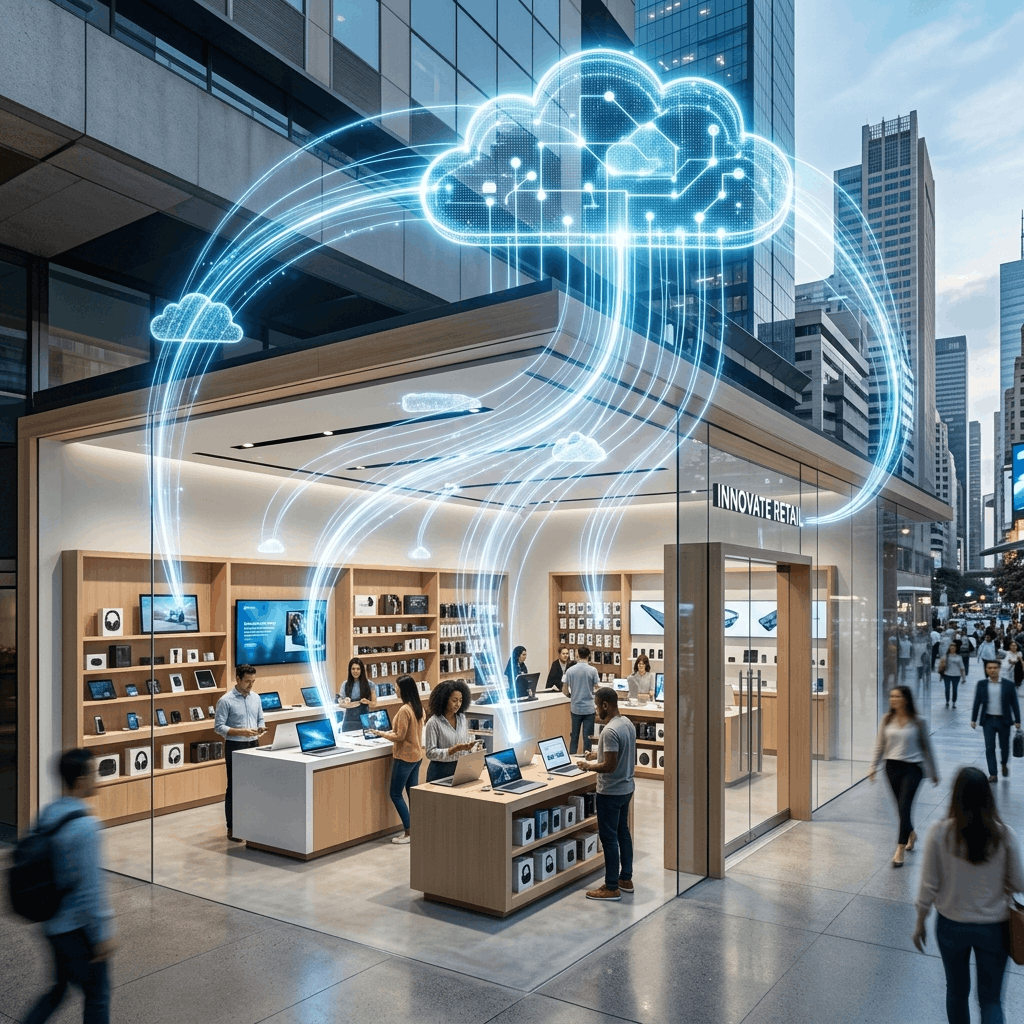
The Great Indian Retail Boom
The Indian retail sector is one of the most dynamic, fast-paced, and rapidly growing markets in the world. As the middle class expands and disposable income rises, consumer demand is exploding. However, unlike the highly organized retail sectors in the West (dominated by massive big-box chains), the Indian retail market is heavily skewed towards the unorganized sector—millions of independent "Kirana" stores and regional family-owned retail chains.
While this diversity creates a vibrant market, it also creates massive operational friction. Retailers who try to scale their operations using traditional, manual methods (ledgers, Excel sheets, and disconnected billing machines) quickly hit a ceiling. The complexity becomes overwhelming.
To survive and thrive, Indian retailers must transition to digital Enterprise Resource Planning (ERP) systems. Below, we explore the five biggest challenges facing the Indian retail industry today, and how modern software provides the exact solution.
Challenge 1: The Fragmented Supply Chain
The Problem: In a Western market, a retailer might buy 80% of their inventory from a single, massive national distributor. In India, the supply chain is deeply fragmented. A medium-sized electronics or garment retailer might be sourcing inventory from 50 different local wholesalers, manufacturers, and sub-distributors. Tracking the pricing, lead times, and reliability of all these different vendors using paper files is mathematically impossible. This leads to severe stockouts of popular items.
The ERP Solution: A centralized Vendor Management module. The ERP acts as a massive digital rolodex combined with an analytics engine. It tracks the exact pricing and delivery history of every single vendor. Furthermore, the ERP utilizes "Minimum Stock Alerts." The second your inventory of a fast-moving shirt drops below 10 units, the ERP automatically generates a Purchase Order and emails it to your most reliable local supplier.
Challenge 2: The E-commerce Juggernaut
The Problem: Global giants like Amazon and Flipkart, alongside rapid-delivery startups, have fundamentally changed Indian consumer expectations. Consumers expect massive variety, instant delivery, and deep discounts. Many traditional brick-and-mortar retailers view E-commerce as a threat that is stealing their footfall, primarily because they do not have the technical expertise to launch their own online operations.
The ERP Solution: True Omnichannel Integration. Modern Retail ERPs tear down the wall between physical and digital. The ERP allows a traditional retailer to easily plug their inventory into a Shopify or WooCommerce storefront. More importantly, the ERP perfectly syncs the inventory. If a physical customer buys a mixer-grinder at your cash register, the ERP instantly marks it "Out of Stock" on your website, preventing humiliating double-sales and allowing you to compete with the giants.
Challenge 3: Inventory Shrinkage and Pilferage
The Problem: "Shrinkage" is the polite retail term for lost, damaged, or stolen inventory. In many Indian retail setups, inventory tracking is incredibly loose. A truck delivers 100 boxes, a manager signs a paper receipt, and the boxes are shoved into a chaotic back room. Because there is no digital trail, if 5 boxes go missing (either through employee theft or administrative error), the owner has absolutely no idea until the end-of-year manual stock count.
The ERP Solution: Strict Digital Traceability. When inventory arrives at the loading dock, the ERP requires the receiving employee to scan the barcode of every single box using a mobile device. The inventory is instantly locked into the system. It can only be removed from the system if it is scanned and sold at the Point of Sale (POS) register. If the physical stock does not match the digital ERP ledger, the system instantly flags the discrepancy, allowing the owner to pinpoint exactly which shift the theft occurred on.
Challenge 4: Complex GST and Taxation
The Problem: The introduction of the Goods and Services Tax (GST) revolutionized the Indian economy, but it also placed a massive compliance burden on retailers. Calculating the correct CGST, SGST, and IGST rates based on the specific HSN codes of thousands of different products is a nightmare. If a retailer relies on manual billing, they will inevitably make calculation errors, leading to severe government penalties and tax audits.
The ERP Solution: Automated Compliance. A localized Indian Retail ERP has the GST tax laws hardcoded into its DNA. When the cashier scans an item at the POS, the software instantly looks up the product's HSN code, determines the customer's state, and calculates the exact tax split flawlessly. At the end of the month, the ERP automatically generates perfectly formatted GSTR-1 and GSTR-3B reports, allowing your accountant to file your taxes in five minutes instead of five days.
Challenge 5: Managing the Unorganized Workforce
The Problem: The Indian retail sector relies heavily on unskilled or semi-skilled labor. Employee turnover is extremely high. If your store uses a highly complicated, text-heavy DOS-based billing system, it will take you three weeks to train a new cashier. If they quit two months later, you lose all that training investment. Furthermore, tracking employee attendance and calculating payroll manually leads to disputes and low morale.
The ERP Solution: Intuitive UI and Integrated HR. Modern ERP Point of Sale (POS) systems are designed to look and feel exactly like an iPad app. A new cashier can learn how to tap photos of products and process credit cards in 15 minutes. Additionally, the ERP includes an HR module. Employees "clock in" using biometric fingerprint scanners connected to the ERP, and the software automatically calculates their exact payroll and overtime, completely eliminating payroll disputes.
Conclusion: Digital Darwinism
The Indian retail industry is undergoing a period of Digital Darwinism. The businesses that cling to manual ledger books, disconnected billing machines, and chaotic backrooms are being out-competed and replaced by modernized, digital competitors.
You cannot manage the complexity of a modern retail business in your head, and you cannot manage it on an Excel spreadsheet. You need a centralized nervous system.
At Delight ERP, our comprehensive Retail ERP platform is built specifically for the nuances of the Indian market. We provide the automated GST compliance, the deep vendor management, and the omnichannel e-commerce integrations you need to protect your margins and aggressively scale your business.
Streamline operations, reduce costs, and scale faster with Delight ERP.