
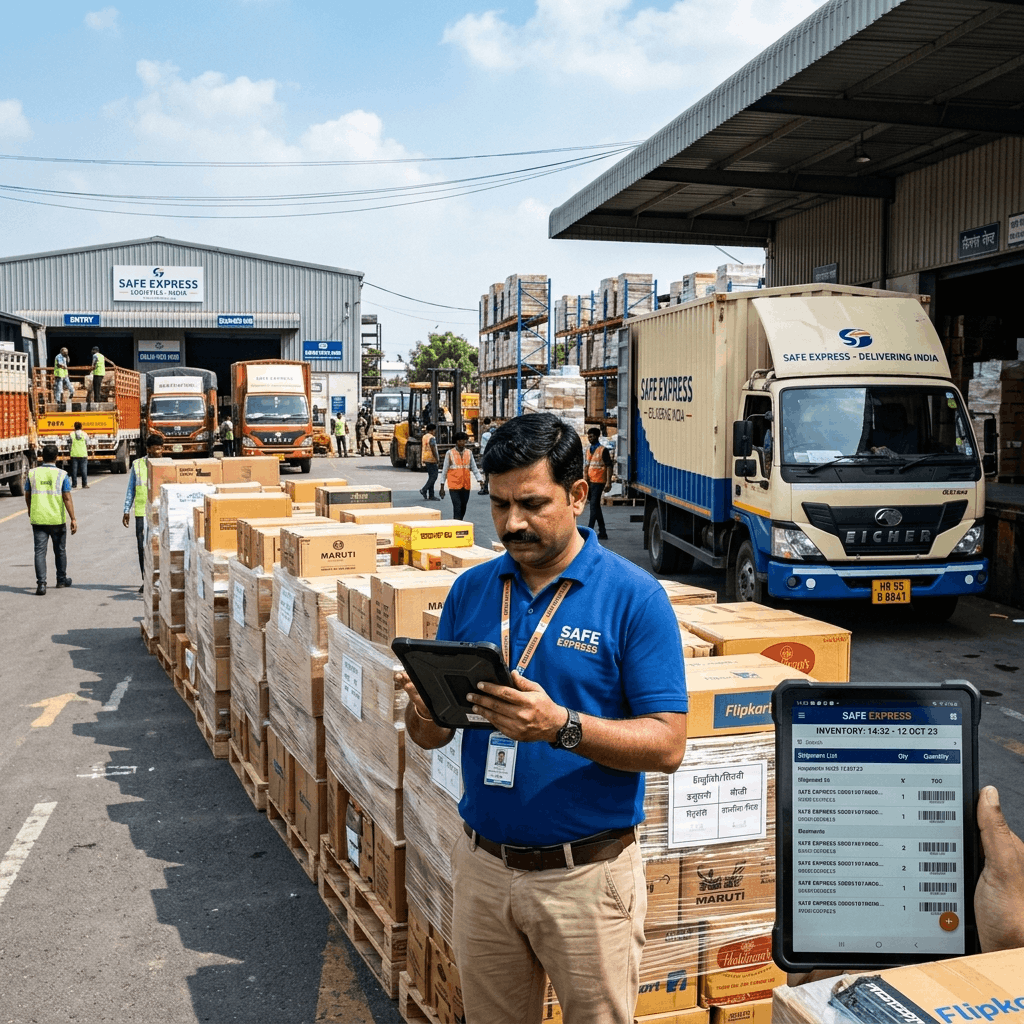
While the concept of Supply Chain Management (SCM) sounds like a unified, monolithic entity, it is actually a highly fragmented ecosystem. It is composed of aggressive, fast-paced operations, meticulously planned processes, and highly skilled human roles working in tandem. Understanding how these three elements interact is the key to mastering enterprise logistics.
To truly optimize a supply network, business leaders must dissect it. We must look at what happens on the gritty warehouse floor (Operations), how decisions are mathematically calculated in the boardroom (Processes), and who is actually pulling the strings (Roles). Let's break it down.
Decoding the DNA of SCM
If we think of a supply chain as a massive commercial vehicle, the Operations are the engine burning fuel and turning the wheels. The Processes are the GPS navigation system calculating the optimal route. And the Roles represent the highly trained driver steering the machine away from danger and towards the destination.
1. Core SCM Operations
Operations deal with the immediate, physical reality of moving goods. This is where theory hits the pavement. Key operations include:
- Receiving & Put-Away: The physical act of unloading raw materials from vendor trucks, scanning barcodes, and slotting them into the correct warehouse racks.
- Assembly & Manufacturing: The actual shop-floor labor where components are bolted together, tested on the line, and packaged for retail.
- Pick, Pack, and Ship: When an order drops, workers physically traverse the warehouse to pick the item, pack it securely, print the shipping label, and load it onto the outbound freight truck.
2. Strategic SCM Processes
Processes are the digital, strategic workflows that govern the physical operations. These are calculated long before a truck ever backs into a loading bay.
- Demand Planning & Forecasting: Using historical sales data and market trends to predict exactly how many units of a product will sell next quarter, ensuring you don't over-manufacture.
- Sales and Operations Planning (S&OP): A critical process where executive, sales, and manufacturing teams meet to align the company's financial goals with its physical production capabilities.
- Procurement Strategy: Designing workflows to evaluate vendor reliability, negotiate bulk-discount contracts, and establish backup suppliers in case of geopolitical disruptions.
3. Vital Roles and Personnel in SCM
Software is incredibly powerful, but it still requires human intuition, relationship-building, and crisis management. The SCM ecosystem relies on several critical roles.
Unify Your SCM Personnel
Give your managers a single source of truth to collaborate efficiently. Upgrade your tech stack with Delight ERP.
Consult with our Experts → Explore Custom SCM ModulesThe Supply Chain Manager: The Conductor
The Supply Chain Manager is the orchestrator of the entire network. They don't usually load the trucks or write the code; instead, they monitor the holistic health of the system. Their primary job is risk mitigation—identifying potential bottlenecks (like an incoming port strike) and proactively rerouting logistics to ensure the customer never experiences a delay.
Procurement and Sourcing Specialists
These individuals are master negotiators. They are responsible for finding the highest quality raw materials at the lowest possible cost. A great procurement specialist doesn't just buy goods; they build strategic partnerships with vendors, securing priority fulfillment during global shortages.
Logistics and Fleet Managers
Focused entirely on transportation, these managers deal with ocean freight schedules, customs brokers, trucking unions, and final-mile delivery routes. They analyze fuel costs, carrier rates, and transit times to ensure products are moved in the most cost-efficient manner possible.
Inventory and Warehouse Planners
These analysts live inside the ERP dashboard. They monitor minimum stock levels, calculate carrying costs, and design the physical layout of the warehouse to maximize picking efficiency. Their goal is a delicate balancing act: keep enough stock on hand to fulfill orders instantly, but never so much that capital is unnecessarily tied up in dead inventory.
How ERP Connects Operations and Roles
In a modern enterprise, these roles cannot operate in silos. If the Procurement Specialist buys materials without knowing the Warehouse Planner is out of shelf space, the operation grinds to a halt.
Enterprise Resource Planning (ERP) software is the glue that binds them. It provides a single, live database. When Procurement issues a Purchase Order, the Warehouse Planner immediately sees the inbound freight on their dashboard and prepares the dock. This seamless, real-time connectivity is what transforms chaotic physical operations into a highly synchronized, profitable corporate ballet.
Streamline operations, reduce costs, and scale faster with Delight ERP.