
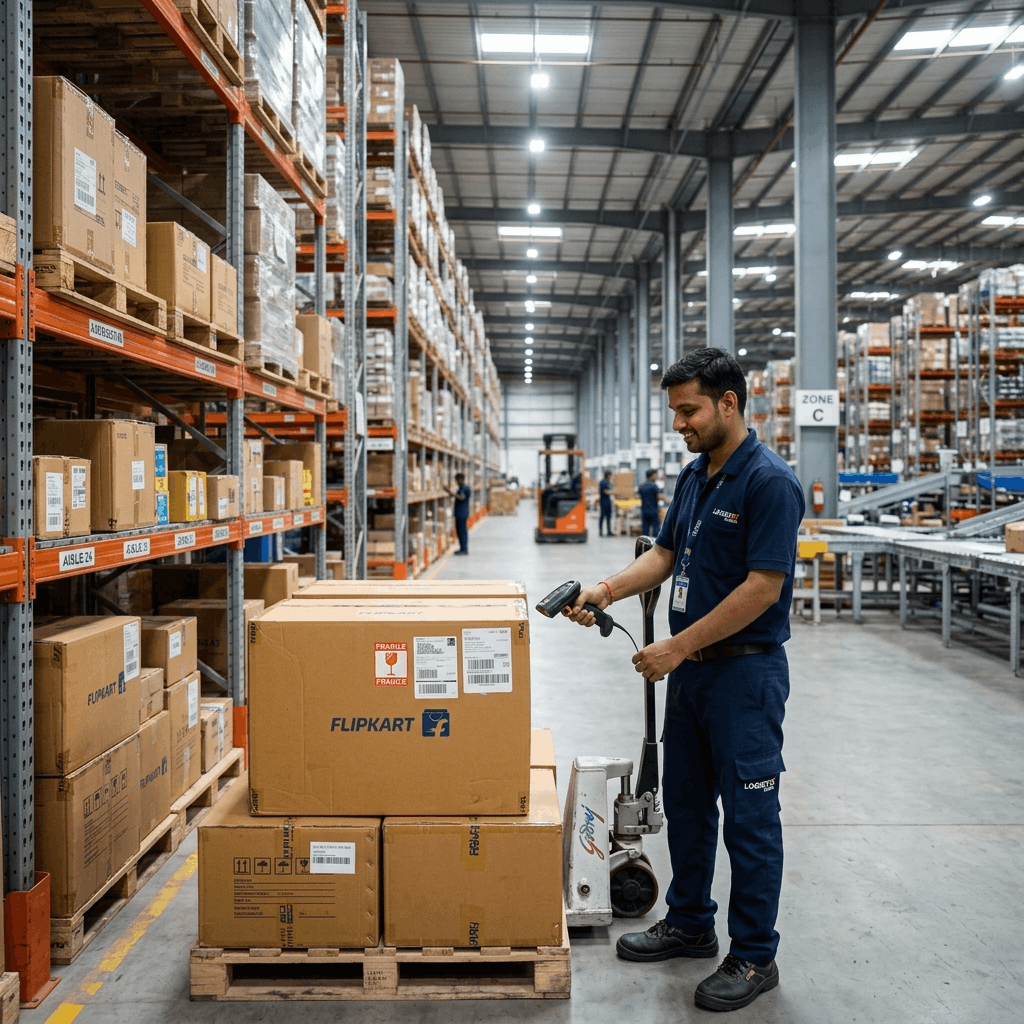
Having a supply chain is mandatory; having an optimized supply chain is a competitive advantage. When a company is just starting out, the sheer act of getting a product manufactured and delivered to a customer feels like a victory. But as volume scales, inefficiencies compound. A minor miscalculation in freight scheduling that costs $10 on a single order translates to hundreds of thousands of dollars in wasted capital when scaled to 10,000 orders.
This is where Supply Chain Optimization comes into play. By leveraging Enterprise Resource Planning (ERP) software, modern logistics managers are squeezing massive profit margins out of their existing networks. Here is how software is fundamentally changing the game.
The Necessity of Optimization
The logistics network is the most expensive part of a physical product business. Warehouses require massive amounts of capital to lease and staff. Holding inventory ties up cash that could be used for marketing. Freight carriers continuously increase their rates. If you operate an unoptimized system, these expenses eat directly into your net profit margin.
What Does Optimization Actually Mean?
In technical terms, supply chain optimization is the application of mathematical algorithms and digital workflows to ensure the highest possible performance (speed and reliability) at the lowest possible cost. It is a balancing act. If you try to cut costs too aggressively by choosing the cheapest, slowest freight carrier, your customers will abandon you. If you optimize entirely for speed by flying all cargo via air freight, you will go bankrupt.
An ERP system helps you find the perfect mathematical middle ground. Here are five ways it achieves this.
1. Eliminating the "Rush Shipping" Tax
When a company does not have good demand forecasting tools, they often run out of raw materials unexpectedly. To keep the factory running, they are forced to order emergency stock from suppliers via expedited air freight. Air freight is incredibly expensive.
An ERP optimizes this by using predictive algorithms. It analyzes sales velocity and lead times, warning procurement managers exactly when they need to place an order so it can be shipped via cheap, slow ocean freight and still arrive exactly when needed.
Cut Waste, Grow Profits
Our ERP algorithms automatically calculate Reorder Points to prevent costly stockouts.
Consult with our Experts → View Optimization Features2. Optimizing Inventory Carrying Costs
Conversely, buying too much raw material simply because "it was on sale" is also a failure. Storing excess inventory costs money (rent, insurance, security, and depreciation). An ERP calculates your Economic Order Quantity (EOQ)—the exact mathematical sweet spot that balances the cost of ordering against the cost of storing, ensuring maximum capital efficiency.
3. Streamlining the Manufacturing Floor
If your factory floor requires components from three different warehouses, an unoptimized system will result in workers standing idle while waiting for parts to arrive. ERP software schedules the delivery of all required components to the assembly line at the precise moment they are needed (Just-In-Time manufacturing), maximizing labor efficiency.
4. Vendor Performance Analytics
You cannot optimize a supply chain if your vendors are constantly missing delivery windows. An ERP system automatically tracks the performance of every supplier. If Supplier A promises a 14-day lead time but consistently delivers in 20 days, the ERP flags this discrepancy on the executive dashboard. You can then use this hard data to negotiate penalties or switch to a more reliable vendor.
5. Automating the Order-to-Cash Cycle
Optimization isn't just about physical goods; it is about administrative speed. When an order drops into an unoptimized system, a human has to manually re-type it into the shipping software. The ERP automates this completely. The order drops, the inventory is instantly reserved, the picking slip prints in the warehouse, and the shipping label is generated. What used to take hours of manual data entry now takes milliseconds.
The Foundation: Why You Need an ERP
True optimization requires holistic visibility. You cannot optimize your shipping routes if you don't have real-time visibility into your warehouse stock. You cannot optimize your warehouse stock if you don't have accurate demand forecasts from the sales team. This is why attempting to optimize a fragmented system using spreadsheets is impossible.
A unified ERP acts as the central brain. It aggregates the data from every department, crunches the numbers in real-time, and provides executives with the insights required to build an unstoppable, highly profitable logistical network.
Streamline operations, reduce costs, and scale faster with Delight ERP.