
In This Article
The Chaos of Manual Manufacturing
A manufacturing plant is an incredibly complex ecosystem. You have raw materials arriving at the loading dock, machines cutting metal on the factory floor, finished goods sitting in the warehouse, and salespeople simultaneously promising rapid delivery times to new clients.
Trying to orchestrate this ecosystem using disconnected spreadsheets, paper work-orders, and endless phone calls inevitably leads to chaos, delayed shipments, and massive profit leaks. This is why Manufacturing ERP Software is not a luxury; it is a fundamental requirement for survival. Here are the top six benefits of implementing an ERP system.
1. Automated Production Planning
In a manual system, the production manager spends hours trying to figure out what the factory should build today based on a stack of printed sales orders. An ERP system automates this completely.
The software generates a Master Production Schedule (MPS). It instantly analyzes all incoming sales orders, cross-references them against current inventory, and creates digital Work Orders. It schedules these orders perfectly, ensuring that Machine A is cutting metal while Machine B is assembling, maximizing factory throughput and eliminating idle time.
2. Precision Inventory Control (MRP)
Manufacturers walk a tightrope: if they buy too much raw material, they tie up their cash flow. If they buy too little, the production line shuts down. This balance is managed by a module called Material Requirements Planning (MRP).
The ERP's MRP engine analyzes the Bill of Materials (BOM) for every product you are scheduled to build. It then calculates exactly how many screws, microchips, or sheets of steel you will need next month, and automatically generates Purchase Orders for your vendors. This ensures you achieve Just-In-Time (JIT) inventory management.
3. Strict Quality Control and Traceability
If your company accidentally ships a defective product to a major client, the reputational damage can be devastating. An ERP system enforces strict Quality Control (QC) checkpoints.
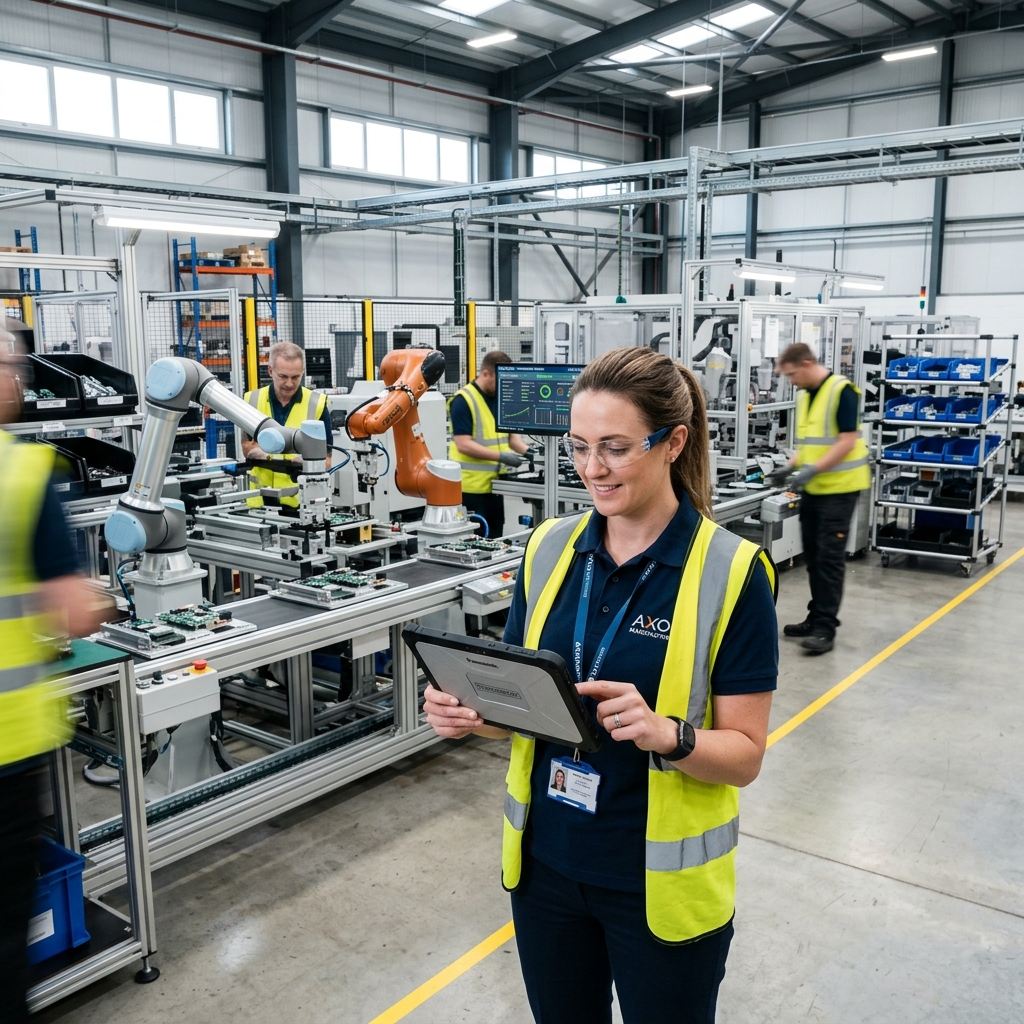
When a worker finishes a batch on the factory floor, the software forces them to input QC testing data on a tablet. If the product fails, the ERP instantly quarantines the entire batch. Furthermore, modern ERP Software provides absolute lot traceability. If a customer reports a defect six months later, you can trace that exact product back to the specific vendor who supplied the faulty raw material.
4. Accurate Product Costing
Many manufacturers think they know how much it costs to build their product, but they are often wrong because they do not account for hidden overhead.
An ERP tracks everything in real-time. It records the exact cost of the raw materials used, the exact amount of electricity the machine consumed, and the exact minutes of labor the worker spent assembling the product. This gives the CFO an absolute, to-the-penny calculation of the Cost of Goods Sold (COGS), allowing the sales team to set profitable pricing.
5. Equipment Maintenance Management
A CNC machine that breaks down unexpectedly can paralyze an entire production line. ERP systems feature robust Plant Maintenance modules to prevent this.
Instead of waiting for a machine to break, the software tracks the "running hours" of every piece of equipment on the floor. When a machine hits 5,000 hours, the ERP automatically schedules preventive maintenance during a weekend shift, ensuring the machine never breaks down during a critical customer run.
6. Unified Data for Executive Decisions
The ultimate benefit of an ERP is the elimination of "data silos." When the sales, purchasing, manufacturing, and accounting teams are all working inside the exact same Cloud ERP Software platform, the executive team gains a "single source of truth."
The CEO can open a dashboard on their tablet and instantly see real-time factory output, live cash flow projections, and current vendor lead times, enabling them to make aggressive, data-driven business decisions.
The Competitive Imperative
The benefits of ERP in manufacturing are not theoretical; they are highly measurable financial realities. From reducing scrap and eliminating manual data entry to accelerating cash flow, the software pays for itself rapidly.
By partnering with an industry-specific provider like Delight ERP, manufacturers can transform their chaotic factory floors into streamlined, hyper-efficient machines capable of dominating the global market.
Frequently Asked Questions
Streamline operations, reduce costs, and scale faster with Delight ERP.